
Five Major Types of Psoriasis
Approximately 7.5 million Americans are affected by psoriasis. Psoriasis is a life-long chronic condition for which there is currently no cure.
There are 5 major types of Psoriasis:
- Plaque is the most common type of Psoriasis. Raised, inflamed, red patches covered by a white buildup of dead skin cells or scales characterize plaque. These patches or plaques are typically found on the scalp, elbows, knees, and lower back.
- Guttate psoriasis often starts in childhood or young adulthood. This is the second most common type of psoriasis. It appears as small, red, individual spots on the skin.
- Inverse psoriasis is typically found in the armpits, groin, under the breasts, and in other skin folds around the genitals and buttocks. This type of psoriasis appears as bright-red lesions that are smooth and shiny.
- Pustular psoriasis is primarily seen in adults and is characterized by white blisters of noninfectious pus surrounded by red skin. The pus consists of white blood cells. It is not an infection, nor is it contagious.
- Erythrodermic psoriasis is a particularly inflammatory form of psoriasis affecting most of the body surface. Periodic, widespread, fiery redness of the skin and the shedding of scales in sheets characterize Erythrodermic psoriasis.
If you believe that you are struggling with any of these five types of psoriasis, speaking with a skin specialist is the next step. Contact our skin care clinic today to learn more about your psoriasis treatment options and to schedule an appointment with one of our dermatology specialists. We can provide you with the guidance that you need to understand your diagnosis.
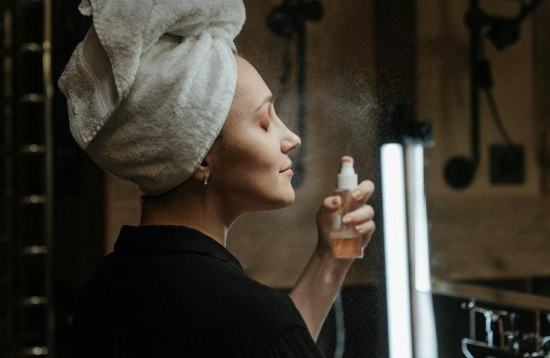
Whether it’s for your partner, parent, friend, or even yourself (yes, self-gifting counts), giving the gift of great skin is always in style.
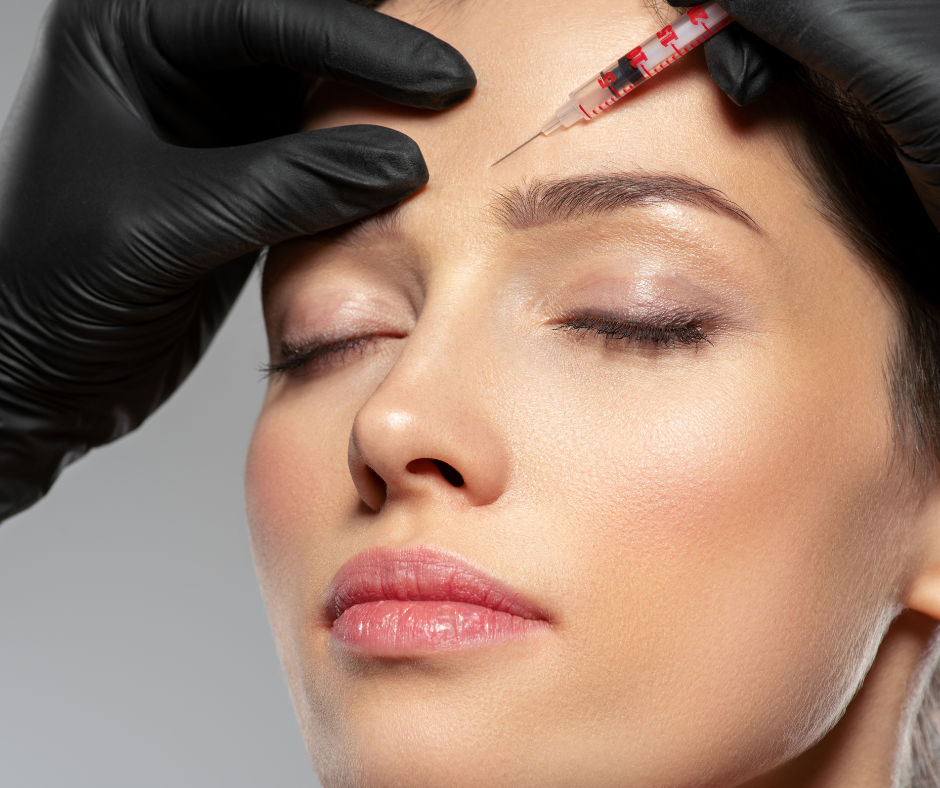
At Northshore Dermatology, we know that understanding how Botox and fillers actually work can help patients feel confident and informed.